The remote and hybrid working model has been utilised for decades. The global COVID-19 pandemic however, forced it to be adopted on mass.
This has had profound effects on individuals and the workforce alike. Our recent LinkedIn poll indicates, the majority favour a hybrid working mode. Employees value aspects of working remotely but don’t want to completely abandon days in an office environment.
Below are just a few of the ways remote and hybrid working could affect the workforce.
Remote and Hybrid Working Improves Flexibility
Hybrid and remote working increases access to work for those with busy lives outside of their careers or those who find it challenging to attend the office or a site every day. parents, carers, and those with possible disabilities can enjoy remote and hybrid working policies as they allow them to have more control over their schedules and not feel completely ‘locked out’ of professions.
Remote and Hybrid models also allow for employees to apply for roles that are further away as they won’t have to regularly commute in.
Remote and Hybrid Working may Affect Company Culture
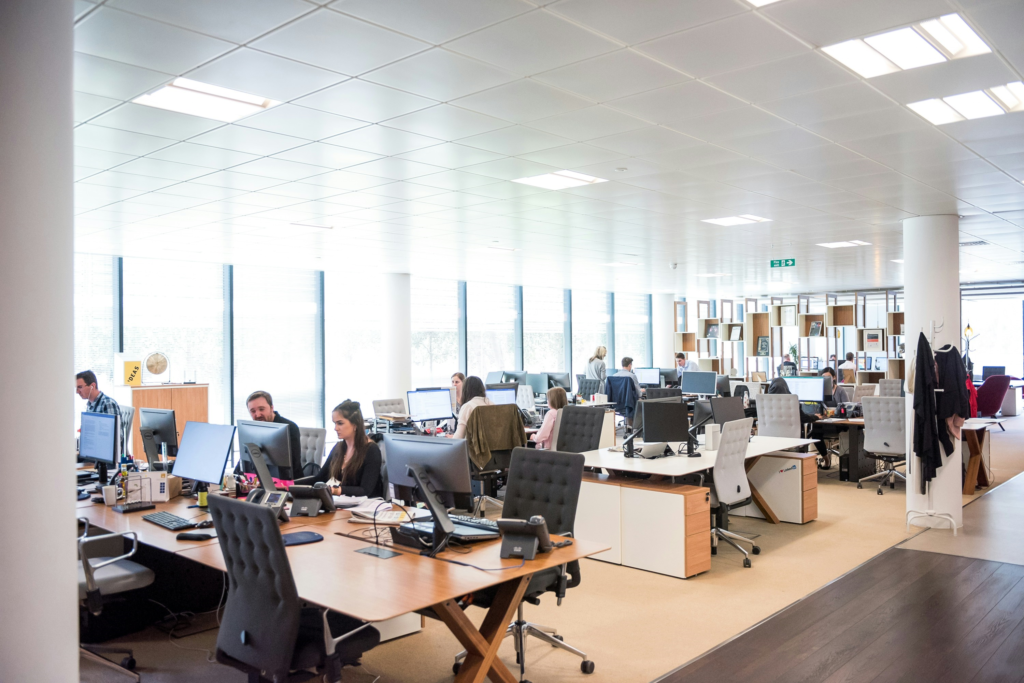
Company culture is largely fostered by employees coming together and engaging in team-building activities and division or company-wide in-person meetings. Remote and hybrid working teams can make this hard to accomplish as it is difficult to collaborate and bond when you’re not in the same physical space.
On top of this, in-person meetings allow coworkers to pick up on important communication signals like body language which are mostly lost over Teams and Zoom meetings.
There are also soft benefits casual conversations can have on work culture. These can be completely lost when employees are beholden to an online meeting agenda.
Remote Working may Contribute Towards Loneliness
Human beings are social creatures. For obvious reasons, being isolated all day, five days out of the week can have detrimental side effects. It may not seem immediately important but not having lunch with your team and not popping into the boss’s office for a quick chat on an issue can mean you lose a great deal of face-to-face contact.
Those who live alone can hate the idea of regularly being isolated for large portions of the day. This could easily result in many feeling disconnected with the company they work for.
On the other hand, a more flexible working pattern can offer a more attractive work-life balance to some, therefore improving mental wellbeing.
A Final Thought
Remote and hybrid working has caused the very rigid 9-5 workday to slowly dissolve. It allows employees to enjoy a better work–life balance with fewer distractions. Under a remote and hybrid model, employees have more time for themselves and reduced commuting time and costs.
Left unchecked, however, it’s clear it can erode work culture and cause long-term loneliness among staff members.